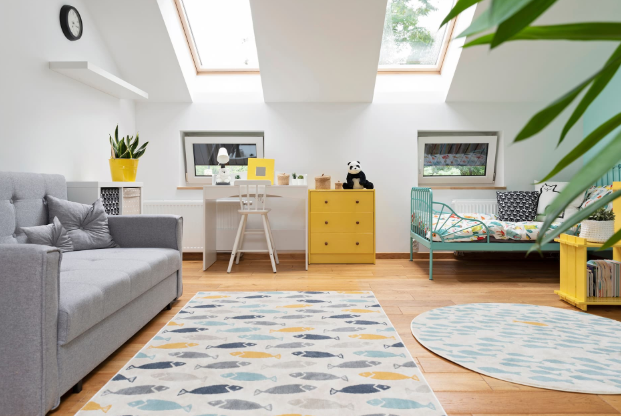
Attic renovation ideas for creative spaces focus on light, form, and function. The concept blends transformative lighting with daylight optimization and soft glare control. Smart space planning preserves headroom through low-profile furniture and modular partitions. Vertical storage and integrated shelving support flexible use, while cost-conscious materials keep projects practical. Distinct yet porous zones invite work and play to coexist. The approach leaves options open, inviting further exploration of how atmosphere shapes creativity.
Transformative Attic Lighting and Natural Light Strategies
Transformative attic lighting and natural light strategies center on converting limited overhead illumination and skewed daylight into adaptable, steady brightness for multifaceted use. The approach emphasizes soft lighting and skylight placement to balance zones, reduce glare, and preserve ambience.
Functionally oriented choices prioritize flexibility, efficiency, and freedom, enabling varied activities while maintaining a calm atmosphere throughout the creative space.
Smart Space Planning for Headroom and Storage
Smart space planning for headroom and storage focuses on maximizing usable volume without sacrificing comfort. The approach treats the attic as a flexible footprint, prioritizing storage efficiency through vertical stacking, integrated shelving, and concealed compartments. It emphasizes headroom optimization by low-profile furniture, mobile partitions, and clear pathways, enabling freedom of movement while preserving purposeful, uncluttered spaces that adapt to changing needs.
Design Themes That Inspire Creativity
Design themes that spark creativity translate the attic’s potential into tangible atmospheres, balancing inspiration with practical adaptability. Thematic clarity emerges through intentional contrasts: light-filled spaces curated with flexible zones, porous boundaries between work and play, and surfaces that invite interaction. Creative palettes guide mood without rigidity, while whimsical textures add tactility, texture, and surprise, encouraging exploration and imaginative shifting within a free-spirited framework.
Practical Renovation Tips and Budget-Smart Tips
Creatively framed attic spaces require practical methods to balance inspiration with feasibility, ensuring bold ideas are anchored by workable steps. Practical renovation approaches emphasize measured scope, reusable materials, and daylight optimization, while budget smart choices prevent scope creep. Efficiency emerges through modular layouts, clear priorities, and cost-aware scheduling. The result honors freedom by enabling adaptable workspaces without sacrificing structural integrity or aesthetic clarity.
Frequently Asked Questions
How Can I Soundproof an Attic Workspace on a Budget?
The question: how can one soundproof an attic workspace on a budget? It suggests budget friendly soundproofing steps, focusing on affordable attic workspace materials, strategic layout, mass, and seals to reduce noise while preserving freedom and functional space.
What Are Non-Toxic Insulation Options for Crafts Rooms?
Non toxic insulation options include natural fibers and mineral wool, minimizing chemical emissions. Crafts room ventilation is essential: promote airflow, reduce moisture, and support steady air exchange. This approach favors freedom, safety, and functional, low-impact environmental performance.
Can Sloped Ceilings Support Standing-Height Workstations Safely?
A quarter of attics fail load tests, making safety critical. Sloped ceilings can support standing-height workstations if ceiling height satisfies minimums and load bearing limits are respected, though flexibility in layout may be required to preserve efficiency and freedom.
Are There Child-Safe Design Ideas for Shared Attic Studios?
Yes, designers propose child friendly layout with low-profile furniture and rounded edges, plus toy storage zones integrated into shelving. The concept prioritizes safety, accessibility, and freedom, enabling shared attic studios to function as playful yet organized, non-restrictive creative spaces.
See also: Crypto and Digital Identity
How Do I Regulate Temperature Without Compromising Ceiling Lines?
Can temperature be managed without altering rooflines? The design considers temperature control ideas that respect structure, balancing airflow, insulation, and compact systems; ceiling friendly solutions minimize intrusion while maximizing comfort for a free-spirited, functional workspace.
Conclusion
In sum, the attic evolves from cramped shell to creative haven through daylight-first design, smart organization, and modular zones. It finds rhythm in low-profile furniture, vertical storage, and reusable materials, maintaining headroom while defining distinct functions. The result is a flexible studio that adapts to project and mood, not a fixed prescription. As the adage notes, “less is more.” By embracing restraint and intention, the space remains inspiring, affordable, and ready for evolving ideas.