The integration of IoT technology in agriculture is reshaping traditional practices. Smart sensors collect vital data on soil conditions and crop health, facilitating precise resource management. This shift not only enhances productivity but also promotes sustainability. However, the adoption of such innovations is not without challenges. Understanding these dynamics is essential to grasp the full impact of IoT on the agricultural sector’s future and the potential it holds for modern farming techniques.
Understanding IoT and Its Role in Modern Agriculture
As agriculture faces increasing demands for efficiency and sustainability, the integration of the Internet of Things (IoT) emerges as a transformative solution.
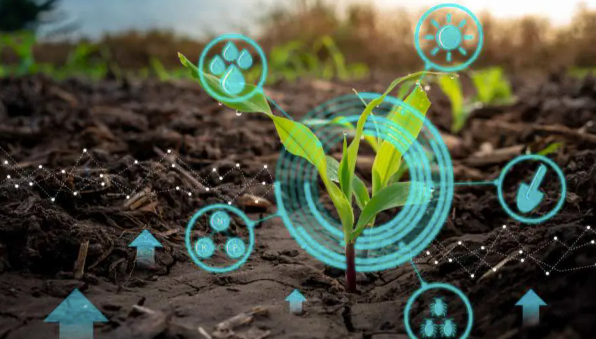
Smart sensors collect real-time data on soil conditions, weather patterns, and crop health, enabling precise monitoring.
Data analytics processes this information, empowering farmers to make informed decisions, optimize resource use, and enhance productivity while ensuring environmental stewardship and operational freedom.
Key Benefits of Implementing IoT in Precision Farming
Efficiency stands as a cornerstone of modern agriculture, and the implementation of IoT in precision farming offers significant advantages in this regard.
With enhanced crop monitoring, farmers achieve real-time insights for informed decision-making. IoT facilitates optimized resource management, ensuring minimal waste.
Additionally, soil analysis through connected devices aids in yield optimization, ultimately fostering sustainable practices that empower farmers to maximize productivity and profitability.
Challenges Farmers Face When Adopting IoT Technology
What obstacles impede the widespread adoption of IoT technology among farmers?
Key challenges include cost barriers that hinder initial investments, connectivity issues limiting real-time data access, and infrastructure limitations affecting implementation.
Additionally, farmers face data security concerns and the complexities of technology integration.
Training needs further complicate adoption, as operators must acquire new skills to effectively utilize these advanced systems in their agricultural practices.
See also: thunderstormnewscom
The Future of Precision Farming: Trends and Innovations in IoT
While the agricultural sector faces various challenges in adopting IoT technology, the future of precision farming appears increasingly promising, driven by emerging trends and innovations.
Smart sensors are revolutionizing data collection, enabling real-time monitoring of soil and crop conditions.
Coupled with advanced data analytics, farmers can make informed decisions, optimizing resource use and enhancing productivity while promoting sustainable practices in agriculture.
Conclusion
In the vast fields of modern agriculture, the integration of IoT acts as a guiding light, illuminating the path toward sustainable practices and enhanced productivity. As farmers harness the power of real-time data, they transform their operations into a symphony of efficiency, where every decision harmonizes with the rhythms of nature. Yet, navigating the complexities of this technological landscape remains a challenge, requiring resilience and adaptability to cultivate a future where innovation and tradition flourish side by side.